

Is Too Much of Your Wealth Tied to One Company?
A Cardinal‑Focused Guide to Managing RSUs and Concentration Risk
For many Cardinal leaders, company stock becomes a larger part of their financial picture than they ever intended. RSUs vest year after year, performance shares accumulate, and before long, a meaningful portion of your net worth is tied to a single company — the same company that also provides your paycheck, bonus, and career trajectory.
And in recent years, that exposure has grown even faster than usual. Cardinal Health’s stock has climbed sharply, rising from levels in the $70s just a few years ago to near all‑time highs above $210. That appreciation has been great for long‑tenured employees — but it also means account values have ballooned, often without people realizing how much of their wealth is now tied to one stock.
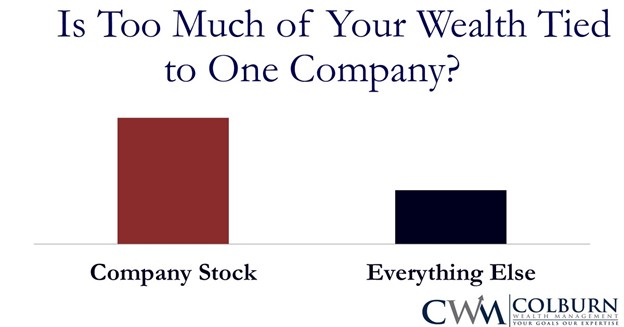
This isn’t just a Cardinal‑specific issue. It’s a common pattern among corporate leaders everywhere. But it’s especially important for Cardinal professionals to understand, because the combination of long tenure, steady grants, and a strong sense of loyalty can quietly create more concentration risk than most people realize.
This guide breaks down how to think about your Cardinal stock, when selling may make sense, and how to build long‑term financial resilience without feeling like you’re “betting against” the company you’ve helped build.
Why Concentration Risk Sneaks Up on Cardinal Leaders
Most people don’t intentionally build a concentrated position. It happens gradually:
- RSUs vest automatically
- Performance shares pay out in good years
- You may hold shares from earlier in your career
- You may feel hesitant to sell because it feels disloyal
- You may not have a clear framework for deciding when to sell
But when the stock appreciates significantly — as CAH has in recent years — the concentration grows even faster. A position that once felt modest can suddenly represent a major portion of your net worth.
Why Selling Stock Isn’t Disloyal — It’s Responsible
One of the most common concerns I hear from Cardinal leaders is:
“I believe in the company. I don’t want to sell.”
Selling LTI isn’t a vote against Cardinal. It’s a vote for your family’s long‑term financial stability.
Here’s the mindset shift that may help:
- You contribute to Cardinal’s success every day
- You already have significant career and income exposure
- Diversifying your investments protects your future
- You’ll continue to receive additional vested shares in the future
- It doesn’t diminish your commitment or belief in the company
You can be loyal and still be prudent.
How to Think About Selling Stock
There’s no one‑size‑fits‑all answer, but here are the key factors Cardinal leaders should consider.
1. How much of your net worth is tied to Cardinal? With CAH near record highs, many leaders are surprised by the true percentage.
2. How long do you plan to stay at Cardinal? Longer tenure means more future LTI exposure.
3. How predictable is your income? If your bonus is a meaningful part of your compensation, that’s another layer of company‑linked risk.
4. What are your long‑term goals? Buying a home, funding college, or preparing for retirement may require more diversification.
5. What’s your tax situation? RSUs are taxed as ordinary income at vesting, but future gains are taxed differently. Timing matters.
A Simple Framework Many Leaders Use
While everyone’s situation is unique, many Cardinal professionals follow a version of this approach:
- Sell a portion of each vest to reduce concentration
- Diversify gradually rather than all at once
- Align sales with tax planning to avoid surprises
- Reinvest into a balanced portfolio that supports long‑term goals
This creates a steady, disciplined path toward resilience — without making dramatic moves.
Why This Matters Even More for Senior Leaders
As you move up in the organization:
- RSU grants get larger
- Vesting schedules compound
- Larger bonuses mean larger exposure
- Performance shares become more meaningful
- Your financial exposure to the company increases
- And with CAH’s recent appreciation, the stakes are even higher
That’s why senior leaders often benefit the most from having a clear strategy.
Final Thought: Your Career Is Already a Big Bet — Your Portfolio Doesn’t Have to Be
You’ve built a career at Cardinal. You’ve earned your bonus and your LTI. You’ve contributed to the company’s success.
Managing concentration risk isn’t about pessimism — it’s about protecting what you’ve built, especially when the stock has performed as strongly as it has in recent years.
If you’d like to understand your current exposure, explore different selling strategies, or see how diversification could support your long‑term goals, I’m always happy to walk through it with you.
Colburn Wealth Management, LLC is a registered investment adviser. Information presented is for educational purposes only and does not intend to make an offer or solicitation for the sale or purchase of any specific securities, investments, or investment strategies. Investments involve risk and, unless otherwise stated, are not guaranteed. Be sure to first consult with a qualified financial adviser and/or tax professional before implementing any strategy discussed herein. Past performance is not indicative of future performance.